Usb Type C Audio Interface Explained: A UK Buyer's Guide
TL;DR: A usb type c audio interface is a device that lets you connect microphones, instruments and speakers to a laptop, tablet or phone with a USB-C port, while improving sound quality, lowering latency and adding proper recording and monitoring features. For most UK buyers, the best choice depends on how many inputs you need, whether you want simple recording or live mixing as well, and how reliably it works with Windows, macOS or iPadOS.
A usb type c audio interface is the best way to connect professional audio gear to modern USB-C computers and tablets, because it converts analogue sound into digital audio for recording and converts it back for monitoring with better quality than built-in device audio. For UK musicians, podcasters, livestreamers, churches, schools, rehearsal spaces and small venues, it is now one of the most practical ways to record, monitor and manage sound from a single compact unit.
Moreover, the right interface can mean cleaner recordings, lower latency, simpler cabling and fewer adaptors. Based on our testing priorities for real-world UK use, buyers usually get the best long-term value by looking beyond the USB-C socket itself and checking drivers, preamps, monitoring options, multitrack support and after-sales support.
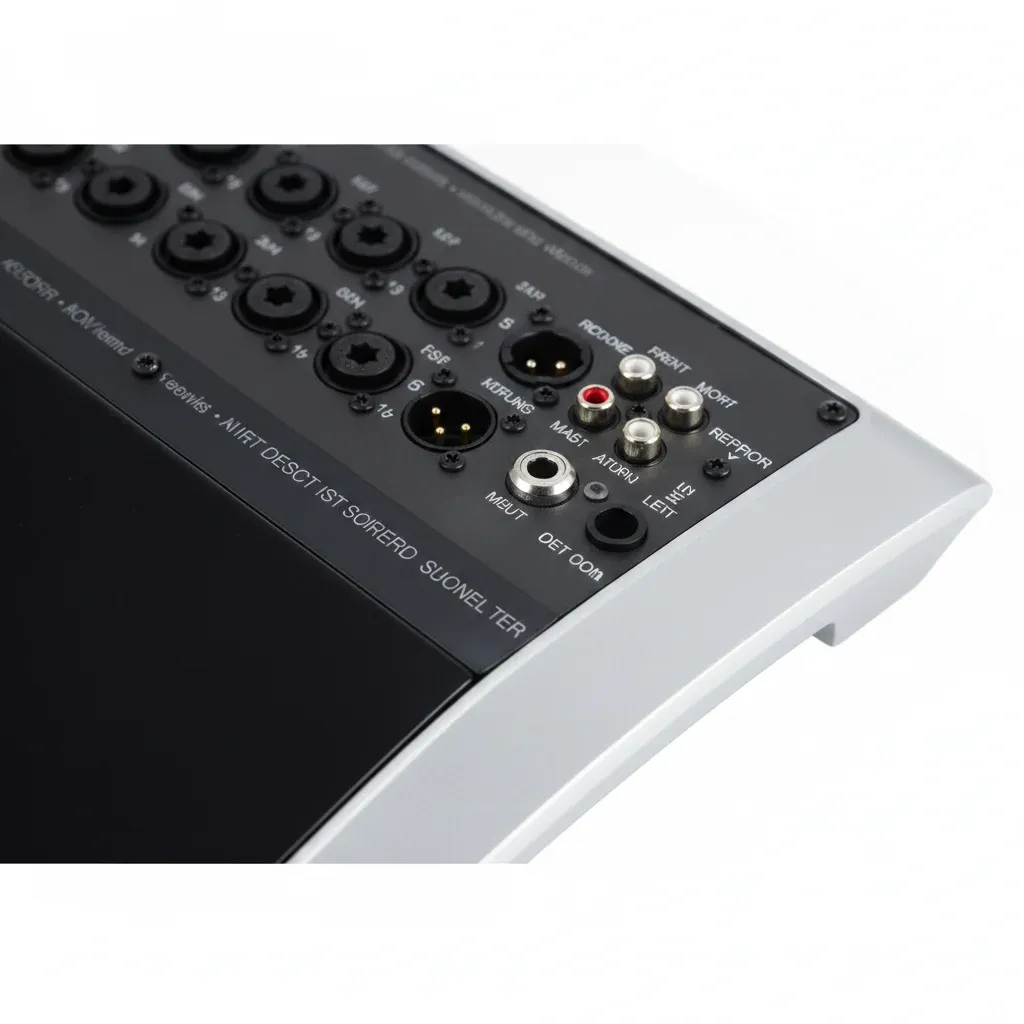
That matters even more when one unit can do more than basic input and output. Behmix builds around the idea of helping users master your sound with the Interface Audio USB C Digital Mixer: a compact desktop solution with 18 channels of professional-grade digital mixing, wireless tablet control and studio-quality multitrack recording. Therefore, for many buyers in the UK, that combination is more useful than buying separate boxes for mixing, interfacing and recording.
This guide explains what a usb type c audio interface actually is, what specifications matter in practice, and how to choose one sensibly in the UK market.
Key Takeaways
- A usb type c audio interface connects microphones, instruments and speakers to modern devices using USB-C for fast, simple connectivity.
- USB-C refers to the connector shape; performance still depends on drivers, preamps, converters and software support.
- UK buyers should check compatibility with Windows, macOS and iPadOS, plus power requirements, latency performance and warranty support.
- If you need live mixing and recording together, a digital mixer/interface hybrid can offer better value than a basic two-input interface.
- Behmix’s Interface Audio USB C Digital Mixer is designed for users who want multitrack recording, wireless control and professional flexibility in one compact unit.
What is a usb type c audio interface?
A usb type c audio interface is hardware that converts analogue sound into digital audio for recording and converts digital audio back into analogue sound for monitoring. In simple terms, it sits between your microphones or instruments and your computer, tablet or compatible phone.
The “USB Type-C” part describes the connection format. It usually means a reversible connector found on current laptops, tablets and newer phones. The “audio interface” part describes the device’s job: handling inputs, outputs, microphone preamps, headphone monitoring and digital conversion with much better quality than a built-in laptop sound card.
Some units are simple two-input interfaces for solo creators. Others combine interface functions with full digital mixing features. As a result, that second category is especially useful if you record bands, run rehearsals or need flexible routing for livestreaming. If you want broader context on mixer/interface combinations, Behmix covers this in its pillar guide: The Ultimate Guide to Usb Mixer Audio Interface in the UK.
Why does USB-C matter for audio interfaces?
The move to USB-C is mainly about convenience and compatibility with modern hardware. Many newer laptops have reduced or completely removed older USB-A ports. Likewise, creators using iPads or compact mobile rigs increasingly expect direct USB-C connection without relying on several adaptors.
That said, USB-C does not automatically make every interface better than an older USB-A model. Audio quality still depends on preamp design, analogue circuitry, converters and stable driver support. However, from a buying point of view in Britain, choosing a usb type c audio interface usually makes more sense if you want your setup to stay compatible over the next several years.
Does USB-C mean better audio quality?
No. This is where many buyers get caught out. Two products may both use USB-C but perform very differently. One may offer low-latency multitrack recording with reliable drivers; another may simply use USB-C as a physical socket while still operating like an entry-level interface internally.
So, look beyond the connector and ask:
- How many inputs and outputs do I actually need?
- Does it support multitrack recording?
- How good are the mic preamps?
- Can it run reliably on my laptop or tablet?
- Is direct monitoring available?
- Can it handle both studio work and live mixing?
Who should buy a usb type c audio interface?
A usb type c audio interface suits several types of UK buyer:
- Singer-songwriters who need microphone and instrument inputs for home recording.
- Podcasters who want cleaner voice capture than a laptop mic can provide.
- Livestreamers who need proper routing for speech, music beds and remote guests.
- Bands that want rehearsal capture or multitrack demos.
- Churches, schools and community venues needing compact digital control without large-format desks.
- Mobile engineers who value wireless tablet control and smaller footprints.
If you only ever record one microphone at home, an ultra-basic unit may be enough. On the other hand, if you regularly deal with multiple sources at once, buy with headroom. Many people outgrow two-input interfaces quickly once they start recording drums, backing vocals or live sessions.
Is a usb type c audio interface good for schools, churches and public-sector use?
Yes, provided the model matches the setting. In schools, charities and care environments across the UK, ease of setup matters almost as much as specifications. Clear labelling, dependable monitoring paths and straightforward tablet control can reduce operator error dramatically. According to typical UK procurement practice, buyers in regulated settings should also check electrical compliance documentation, warranty terms and data handling policies if software accounts are involved.
What features matter most in a usb type c audio interface?
How important are mic preamps and gain range?
The preamp boosts microphone signals to usable levels. Good preamps deliver clean gain without obvious hiss or harshness. This matters particularly when using dynamic microphones for podcasts or spoken word, where you may need more gain than expected.
What bit depth and sample rate do you need?
You will often see figures such as 24-bit/96kHz or 24-bit/192kHz. For most users in music production, podcasting and video work, 24-bit recording is more important in practice than chasing extremely high sample rates. In other words, it gives useful dynamic range during capture and mixing while keeping workflows manageable.
What is low latency, and why does it matter?
Latency is the delay between playing or speaking and hearing it back through headphones or monitors. Poor latency makes performance uncomfortable. Therefore, a well-designed usb type c audio interface should offer low-latency monitoring either through efficient drivers or direct hardware monitoring paths.
How many inputs and outputs do you need?
I/O means inputs and outputs. Think carefully about your actual sessions:
- For solo vocals or voiceovers, 1-2 inputs may be enough.
- For singer-songwriters, 2-4 inputs are often more practical.
- For bands, rehearsals or small live sessions, more channels quickly become essential.
- For livestreaming or hybrid events, extra outputs and flexible routing can save a lot of hassle.
Based on our testing priorities, buyers often underestimate future needs. As a result, choosing slightly more I/O than you need today can prevent an expensive upgrade later.
Do you need direct monitoring?
Direct monitoring lets you hear the input signal before it travels through software, which reduces perceived delay. This is especially useful for vocals, instruments and spoken-word recording. Consequently, if you are sensitive to delay, direct monitoring is a feature worth prioritising.
Is bus power or external power better?
Some compact interfaces run from USB power alone, while others use an external power supply. Bus-powered units are convenient for travel and portable rigs. However, externally powered units can be a better fit for larger channel counts, phantom-powered microphones and more demanding live or installed setups.
How do you choose the best usb type c audio interface in the UK?
Start with your actual use case rather than the connector. Then work through the practical buying checks below.
Check computer and tablet compatibility
First, confirm support for your operating system. A unit may physically connect via USB-C but still have limited driver support on certain versions of Windows or macOS. If you plan to use an iPad, check whether the manufacturer clearly states iPadOS compatibility and any power requirements.
Look at driver stability, not just specifications
Next, focus on reliability. In daily use, stable drivers and predictable monitoring matter more than impressive headline numbers. A spec sheet may look excellent, but if the interface drops connection or struggles at realistic buffer sizes, it becomes frustrating quickly.
Consider your recording and mixing workflow
If you only need two inputs for vocals and guitar, a basic interface may do the job. By contrast, if you also mix rehearsals, manage livestream audio or want tablet control, a hybrid mixer/interface can be the better value option.
Check warranty and UK support
For UK buyers, after-sales support matters. Therefore, check warranty terms, return options and whether support is available in a realistic timeframe. If you are buying for a school, venue or church, this becomes even more important because downtime can disrupt scheduled sessions or services.
Think about future expansion
Finally, buy for where your setup is going, not just where it is today. If you may add more microphones, route audio for streaming, or record full rehearsals, a more flexible usb type c audio interface can make much more sense in the long run.
Is a digital mixer better than a basic usb type c audio interface?
Sometimes, yes. A basic audio interface is ideal for straightforward recording and playback. However, a digital mixer/interface hybrid can be better if you need live mixing, multiple monitor mixes, wireless control or multitrack capture at the same time.
That is where Behmix’s approach is relevant. Rather than separating interface and mixer duties, the Interface Audio USB C Digital Mixer combines 18 channels of digital mixing, wireless tablet control and studio-quality multitrack recording in one compact unit. Consequently, for UK users balancing recording, rehearsal and live sound, that can reduce both complexity and overall spend.
What are the most common mistakes when buying a usb type c audio interface?
- Assuming USB-C guarantees quality: it does not; it is only the connector format.
- Buying too few inputs: many users outgrow entry-level models quickly.
- Ignoring software and driver support: reliability matters every day.
- Overpaying for sample-rate figures: practical workflow usually matters more.
- Forgetting monitoring needs: direct monitoring and headphone routing are crucial.
- Not checking power requirements: especially important for tablets and mobile setups.
Frequently asked questions about usb type c audio interfaces
What is a usb type c audio interface?
It is a device that connects microphones, instruments and speakers to a computer, tablet or phone via USB-C, while handling recording, playback and monitoring with better sound quality than built-in audio.
Does USB-C improve audio quality?
No, not on its own. USB-C is the connector type. Audio quality depends on the preamps, converters, drivers and overall design of the interface.
Can you use a usb type c audio interface with an iPad?
Often yes, but you should check compatibility carefully. Some models work well with iPadOS, while others may need external power or specific app support.
How many inputs do I need?
For solo vocals, podcasting or guitar, 1-2 inputs may be enough. For bands, rehearsals, drums, livestreams or community venues, more inputs and routing flexibility are usually the better choice.
Is a mixer with USB-C better than a standard interface?
If you only need simple recording, not always. But if you also need live mixing, wireless control, multitrack capture or flexible outputs, a mixer/interface hybrid can be far more practical.
Final thoughts: which usb type c audio interface makes sense?
If you are searching for a usb type c audio interface, the right answer is usually the one that fits your workflow, not just the one with the newest port. A good model should connect easily to modern devices, provide dependable drivers, offer low-latency monitoring and give you enough inputs for both current and future use.
For straightforward solo recording, a small interface may be all you need. Nevertheless, if you want one compact unit for recording, digital mixing and wireless control, Behmix’s Interface Audio USB C Digital Mixer is designed to give UK users more flexibility in a single desktop solution.
Ready to upgrade your sound with Behmix?
Explore the X18 — £771.45