Focusrite Scarlett 2I2 2Nd Gen Usb Audio Interface Explained: A UK Buyer's Guide
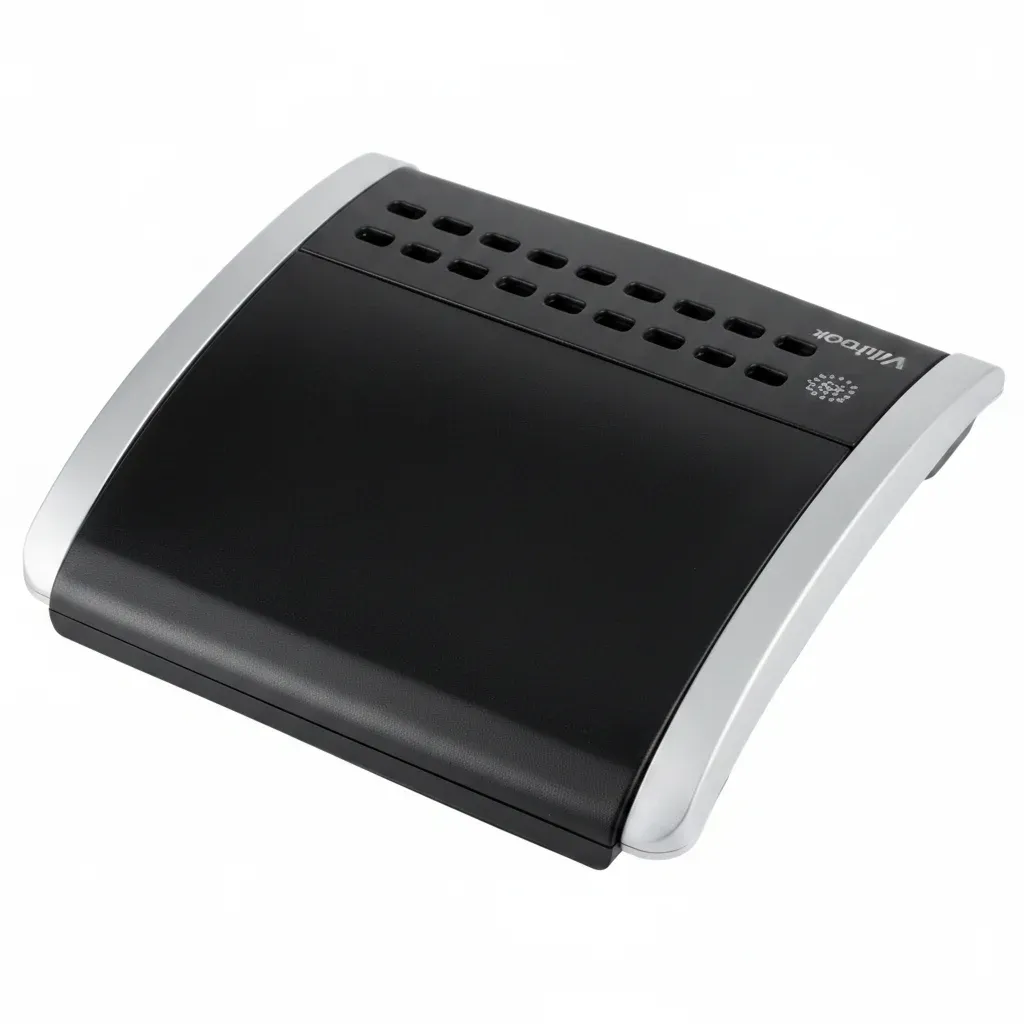
When High Wycombe-based audio giant Focusrite released the second iteration of their iconic red interface in 2016, it fundamentally shifted the landscape of British home recording. The focusrite scarlett 2i2 2nd gen usb audio interface quickly became the undisputed workhorse for UK bedroom producers, podcasters, and session musicians. By addressing the headroom limitations of its predecessor and introducing ultra-low latency drivers, this compact unit set a benchmark for entry-level recording that remains relevant on the second-hand market today.
However, as digital audio workstations (DAWs) evolve and connectivity standards shift towards USB-C, many UK buyers are left questioning whether this legacy interface still holds up, or if it is time to invest in more expansive, modern routing solutions. This comprehensive guide examines the enduring architecture of the 2nd Gen 2i2, evaluates its performance in contemporary studio setups, and outlines the precise moments when upgrading to a multi-channel digital mixer becomes a production necessity.
Key Takeaways
- British Engineering Heritage: The Focusrite Scarlett 2i2 2nd Gen USB audio interface introduced 24-bit/192kHz conversion and redesigned instrument inputs to prevent clipping from high-output guitar pickups.
- Legacy Connectivity: Utilising a USB 2.0 Type-B connection, the 2nd Gen remains highly functional but lacks the bus-power efficiency of modern USB-C interfaces.
- Ultra-Low Latency: Focusrite’s 2nd Gen driver architecture achieved round-trip latencies as low as 2.74ms, allowing producers to monitor through software plug-ins in real-time.
- The Upgrade Path: While perfect for solo recording, producers requiring drum tracking or live band captures will need to transition from a 2-channel interface to solutions like an 18-channel digital mixer.
The Anatomy of the Focusrite Scarlett 2i2 2nd Gen USB Audio Interface
To understand why the 2nd Gen Scarlett remains a fixture in many UK studios, one must look beneath its anodised aluminium chassis. Focusrite, a brand with deep roots in British console manufacturing, engineered this interface to deliver transparent, colourless audio capture at a consumer-friendly price point.
Redesigned Preamps and Instrument Inputs
The most significant criticism of the 1st Gen Scarlett range was its inability to handle "hot" signals. British guitarists using active pickups or high-output humbuckers frequently found that the instrument inputs clipped, even with the gain dial turned all the way down. The focusrite scarlett 2i2 2nd gen usb audio interface rectified this by completely redesigning the instrument input stage, providing an additional 8dB of headroom. This engineering tweak allowed for pristine, distortion-free DI (Direct Injection) recording, which is crucial for modern amp simulation software.
The two combination XLR/TRS inputs feature Focusrite’s signature transparent preamps. While they lack the analogue 'Air' circuit introduced in the subsequent 3rd Gen models, these preamps provide a clean, linear gain sweep that accurately represents the source material without unwanted colouration.
Conversion Rates and Driver Architecture
Digital conversion is the heart of any audio interface. The 2nd Gen Scarlett upgraded its internal converters to support sample rates up to 192kHz at a 24-bit depth. For the context of UK broadcasting and commercial music release, 44.1kHz or 48kHz is typically standard, but the capacity to record at 192kHz ensures exceptional high-frequency detail and lower aliasing during heavy digital signal processing.
Furthermore, Focusrite completely overhauled their Windows ASIO and macOS Core Audio drivers for this generation. The result was a measurable round-trip latency of just 2.74ms (when operating at 96kHz with a 32-sample buffer). This specification fundamentally changed home recording, allowing vocalists and instrumentalists to monitor their performances through DAW effects—such as reverb or compression—without perceptible delay.
Connectivity: The USB 2.0 Type-B Era
One of the primary considerations for UK buyers looking at the second-hand market today is connectivity. The focusrite scarlett 2i2 2nd gen usb audio interface utilises a USB 2.0 Type-B port for both data transfer and bus power. While USB 2.0 provides more than enough bandwidth to simultaneously record two channels of 192kHz audio, the physical connector is now considered a legacy standard.
Modern studio environments are increasingly built around streamlined, high-speed connections. If you are integrating an interface with modern MacBooks or contemporary Windows PCs, you will likely require adapters or specific cables to bridge the gap between legacy Type-B and modern ports. For a deeper understanding of how modern connectivity has evolved, our Usb Type C Audio Interface Explained: A UK Buyer's Guide breaks down the advantages of native Type-C integration.
Despite the older connection type, the 2nd Gen Scarlett is fully bus-powered. This means it draws its necessary 5V power directly from the host computer, requiring no external UK mains power supply. This portability made it a favourite for mobile recording rigs, location sound captures, and live playback systems across the UK.
Is the 2nd Gen Still Viable for UK Studios Today?
The short answer is yes, but with distinct caveats regarding scalability. As of the current year, Focusrite continues to provide driver support for the 2nd Gen Scarlett range on both Windows 10/11 and recent macOS iterations. It remains a plug-and-play solution for anyone needing a reliable two-channel input.
According to a recent industry analysis by Futuresource Consulting, the UK audio interface market has experienced sustained double-digit growth since 2020, with 2-channel interfaces acting as the entry point for over 60% of new music producers. However, the data also highlights a rapid transition phase: within 18 months of their initial purchase, a significant portion of these users find themselves constrained by channel count limitations.
When you are recording a solo podcast, laying down a synth track, or tracking a single vocal over a backing track, the two inputs of the Scarlett 2i2 are perfectly adequate. But audio production rarely stays static. As your ambitions grow, so do your hardware requirements. If you want to understand the broader ecosystem of interfaces beyond simple 2-channel setups, we highly recommend reading The Ultimate Guide to Usb Mixer Audio Interface in the UK.
Outgrowing the 2i2: When to Upgrade to a Digital Mixer
The fundamental limitation of the focusrite scarlett 2i2 2nd gen usb audio interface is inherent in its name: two inputs, two outputs. You cannot record a drum kit with two microphones and expect professional, modern results. You cannot record a live band, route multiple hardware synthesisers, or manage complex podcast setups featuring four or more guests.
When UK creators hit this bottleneck, the logical progression is not simply buying a larger audio interface, but transitioning to a hybrid solution that offers both interface capabilities and tactile mixing control.
The Behmix Solution: Master Your Sound
If you have outgrown your 2-channel setup, it is time to step up to professional-grade routing. At Behmix, our hero product—the Interface Audio USB C Digital Mixer—is engineered specifically for producers and engineers who demand more from their hardware.
Rather than being limited to two inputs, our flagship unit provides 18-channels of professional-grade digital mixing. It bridges the gap between a traditional studio interface and a live mixing console, offering studio-quality multitrack recording directly via a modern USB-C connection. For creators looking to future-proof their setups, understanding this transition is vital. You can explore more about these modern standards in our comprehensive Audio Interface With Usb C Explained: A UK Buyer's Guide.
Furthermore, the Behmix digital mixer features wireless tablet control. Unlike the Scarlett 2i2, which requires you to remain tethered to your desktop computer to adjust DAW gain or monitor levels, our 18-channel mixer allows you to walk around your studio—or live venue—adjusting EQ, compression, and monitor mixes via a tablet. It packs the power of a massive studio console into one compact desktop unit, making it the ultimate upgrade path for UK producers ready to move beyond entry-level interfaces.
Setting Up Your 2nd Gen Interface in a Modern DAW
If you have recently acquired a second-hand focusrite scarlett 2i2 2nd gen usb audio interface, proper configuration is essential to bypass the limitations of older hardware. Here is a brief, authoritative guide to optimising the unit for a UK studio environment:
- Driver Installation: Never rely on class-compliant generic drivers for Windows. Navigate to the official Focusrite UK support page and download the latest specific ASIO driver for the 2nd Gen Scarlett. This is non-negotiable for achieving the 2.74ms low-latency performance.
- Sample Rate Configuration: Open your Focusrite Control panel and set the sample rate to 48kHz. While the unit supports 192kHz, 48kHz is the current standard for UK video production and streaming platforms, offering the best balance between audio fidelity and CPU load.
- Gain Staging: Utilise the unique "halo" indicators around the gain knobs. Play your instrument or sing at your loudest intended volume. The halo should illuminate green. If it flashes red, you are clipping the digital converter. Back the gain off until the red disappears completely.
- Direct Monitor Toggle: The 2nd Gen features a hardware switch for 'Direct Monitor'. Engaging this routes your input signal directly to your headphones and studio monitors, bypassing the computer entirely. This guarantees zero latency, though you will not hear your DAW effects (like reverb) while recording.
Ready to Expand Your Channel Count?
The 2-channel era is a great starting point, but true sonic freedom requires more inputs. Master Your Sound with the Behmix Interface Audio USB C Digital Mixer.
Experience 18-channels of professional-grade digital mixing, wireless tablet control, and studio-quality multitrack recording in one compact desktop unit.
Explore the Behmix 18-Channel MixerFrequently Asked Questions
Does the Focusrite Scarlett 2i2 2nd Gen work with Windows 11 and macOS Sonoma?
Yes. Despite being released in 2016, Focusrite continues to maintain driver updates for the focusrite scarlett 2i2 2nd gen usb audio interface. It operates smoothly on Windows 11 via the official Focusrite ASIO drivers, and functions as a class-compliant Core Audio device on modern macOS systems, including Apple Silicon (M1/M2/M3) Macs.
What is the difference between the 2nd Gen and 3rd Gen Scarlett 2i2?
The primary differences lie in the preamps and connectivity. The 3rd Gen introduced the analogue 'Air' mode, which adds high-end clarity mimicking classic ISA consoles, and transitioned from a USB Type-B connection to a more modern USB Type-C connection. However, the core 24-bit/192kHz conversion quality remains remarkably similar between the two generations.
Can I use the Scarlett 2i2 2nd Gen with an iPad?
Yes, but it requires workarounds. Because the 2nd Gen uses a USB Type-B port and requires 5V of bus power, older iPads with Lightning ports cannot power it directly. You will need an official Apple Lightning to USB Camera Adapter and a powered USB hub to provide the necessary electricity. If you use a modern iPad Pro with a USB-C port, you can connect it using a direct USB-B to USB-C cable, and the iPad will successfully power the interface.
When should I upgrade from my Scarlett 2i2?
You should consider upgrading when your input requirements exceed two simultaneous sources. If you plan to record a drum kit (which typically requires a minimum of 4 to 8 microphones), capture a live band rehearsal, or run multiple hardware synthesisers without constantly unplugging cables, you need to transition to a larger interface or a digital mixer, as detailed in The Ultimate Guide to Usb Mixer Audio Interface in the UK.
Ready to upgrade your sound with Behmix?
Explore the X18 — £771.45